
Do Heat Pumps Really Cost a Fortune to Run?
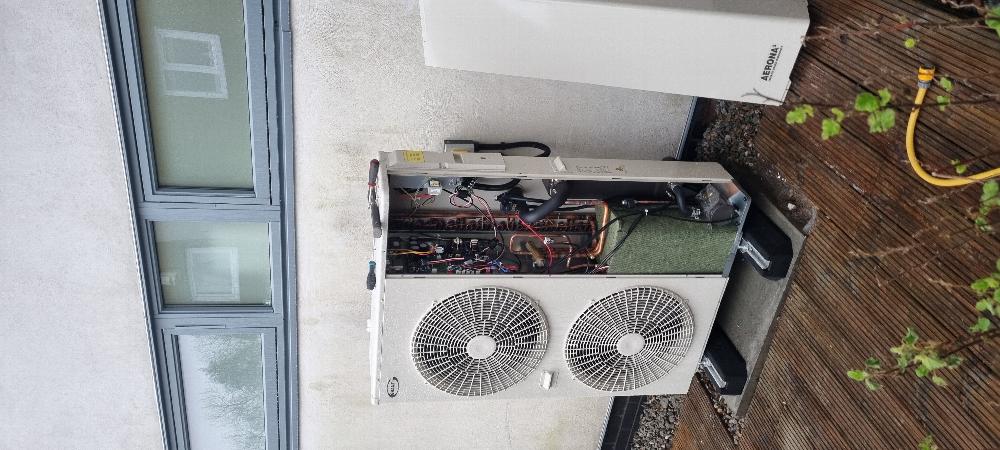
Do Heat Pumps Really Cost a Fortune to Run? There’s an elephant in the room whenever heat pumps are discussed. “They don’t work.” “They cost a fortune to run.” “They’re no good in older houses.” There are enough stories of poorly performing heat pumps that these concerns shouldn’t simply be dismissed. Some heat pumps genuinely do cost more to run than expected. But that doesn’t mean heat pumps themselves don’t work. A heat pump is much more sensitive than a gas boiler to the way the whole heating system is designed, installed, controlled and commissioned. Flow temperature, radiator sizing, pipe sizing, water flow rates, insulation and controls can all have a significant effect on how much electricity a heat pump uses. And the difference between a well-performing system and a poorly performing one can amount to hundreds of pounds every year. What Does a Heat Pump Cost to Run? Using standard UK energy prices of approximately: Electricity: 26.11p per kWh Gas: 7.33p per kWh We can calculate the actual cost of producing heat. A heat pump’s efficiency is usually expressed as its Seasonal Performance Factor, or SPF. An SPF of 3 means that, over the heating season, the heat pump produces approximately 3kWh of heat for every 1kWh of electricity it consumes. At 26.11p per kWh of electricity: SPF 2.5 = approximately 10.4p per kWh of heat SPF 3.0 = approximately 8.7p per kWh of heat SPF 3.2 = approximately 8.2p per kWh of heat SPF 3.5 = approximately 7.5p per kWh of heat SPF 4.0 = approximately 6.5p per kWh of heat For comparison, gas costing 7.33p per kWh through a boiler operating at 90% seasonal efficiency works out at approximately 8.1p per kWh of useful heat. That means a heat pump achieving around SPF 3.2 is approximately at the break-even point with a modern gas boiler at current standard energy prices. Above that, the heat pump can be cheaper to run. Below that, gas can be cheaper. No special heat pump tariff is needed for that comparison. What Does That Mean Over a Year? Take a property requiring 15,000kWh of useful heating energy each year. At SPF 2.5, a heat pump would cost approximately £1,567 per year. At SPF 3.0, approximately £1,306. At SPF 3.5, approximately £1,119. At SPF 4.0, approximately £979. A 90% efficient gas boiler would cost approximately £1,222 in gas to produce the same amount of useful heat. These figures exclude standing charges and normal household electricity consumption. The point isn’t that heat pumps are always cheaper than gas. They aren’t. The important point is how dramatically the efficiency of the heat pump changes the running cost. What Are Heat Pumps Actually Achieving in UK Homes? We don’t have to rely solely on manufacturer laboratory figures. A large UK government-funded heat pump demonstration project monitored hundreds of systems in real homes. Across 428 air source heat pumps, the median whole-system seasonal performance was around SPF 2.78. At today's electricity price, SPF 2.78 equates to roughly 9.4p per kWh of useful heat. That would currently be slightly more expensive than heating the same property with an efficient modern gas boiler. So criticism about heat pump running costs isn't completely baseless. However, other monitored UK systems are achieving seasonal efficiencies around SPF 3.5, 4.0 and even higher. At SPF 4.0, heat costs approximately 6.5p per kWh at current standard electricity prices. That is substantially cheaper than the approximate 8.1p per kWh from a 90% efficient gas boiler. So why can two heat pumps produce the same amount of heat but have very different running costs? That is where system design and commissioning become important. Flow Temperature Has a Major Effect on Efficiency One of the biggest influences on heat pump efficiency is flow temperature. A heat pump extracts heat from outside and raises it to the temperature required by the heating system. The greater that temperature difference, or “temperature lift”, the harder the compressor has to work. Producing 35°C heating water is easier for a heat pump than producing 55°C heating water. As flow temperature increases, efficiency generally decreases. This is why simply replacing a boiler with a heat pump and continuing to operate the heating system at max temperatures is rarely the best approach. The objective is to design the system so that the house can remain comfortable using the lowest practical flow temperature. Lower Flow Temperatures Need Correctly Sized Emitters You cannot simply turn the flow temperature down and expect everything else to work. Radiators produce less heat as their operating temperature falls. If a room needs 1.5kW of heat on the coldest day of the year, the radiator needs to be capable of producing approximately that amount at the heat pump's chosen design temperatures. That can mean installing larger radiators, additional radiators or correctly designed underfloor heating. Good heat pump design therefore starts with calculating the heat loss of the property and individual rooms. From there, the emitters can be selected to meet those heat losses at an appropriate flow temperature. The aim isn't to chase the lowest possible flow temperature. It is to achieve the lowest practical temperature while still comfortably heating the property. Pipe Sizing and Flow Rates Matter This is another area where heat pump installations can go wrong. Heat pumps commonly operate with a relatively small difference between flow and return temperatures, often around 5°C. Moving a large amount of heat with a small temperature difference requires a significant water flow rate. For example, transferring approximately 10kW of heat with a 5°C flow-to-return temperature difference requires around 29 litres per minute of water flow. Trying to push that amount of water through undersized pipework creates excessive resistance. That can result in: Poor water flow Higher pump energy consumption Excessive water velocity Noise Insufficient heat transfer Flow-related heat pump faults Reduced system performance This is why pipework shouldn't simply be selected based on what would normally have been fitted to a boiler. The required heat output and system flow rate should be calculated first. Pipe sizes can then be selected to achieve that flow without excessive resistance or velocity. Commissioning Means Measuring What Actually Happens A system may look correct on a design drawing, but commissioning is where the design meets reality. The installer should check that the finished system is actually operating as intended. That can include checking: Actual system flow rate Flow temperature Return temperature Flow and return temperature difference Circulation pump operation System pressure Radiator or underfloor heating balancing Strainers and filters Air removal Weather compensation settings Control operation If the required flow rate cannot be achieved, simply turning the circulation pump up isn't necessarily the answer. The restriction may be caused by undersized pipework, restrictive valves, blocked strainers, poor hydraulic design or incorrect balancing. Finding the cause is part of proper commissioning. Weather Compensation Matters A heat pump might need a relatively high flow temperature during the coldest weather of the year. That doesn't mean it should operate at that temperature all winter. If the property requires 45°C flow at minus 3°C outside, it might only need 30°C or 35°C when the outdoor temperature is 10°C. Weather compensation automatically adjusts the heating water temperature according to outdoor conditions. This allows the heat pump to spend much of the heating season operating at lower temperatures and therefore higher efficiency. Getting the weather compensation curve right is an important part of commissioning. Pipe Insulation Matters Too Heat leaving the pipework before it reaches the house is wasted energy. External heat pump pipework therefore needs to be properly insulated and protected from the weather. Poor insulation can lose heat continuously whenever the system is operating. Heat pumps often run for considerably longer periods than traditional boilers, making these continuous losses particularly relevant. External insulation also needs to withstand rain, frost, sunlight and physical deterioration. Pipe insulation isn't simply about making the installation look tidy. It forms part of the efficiency of the system. Commissioning Should Confirm the Original Design A heat pump installation should start with a heat-loss calculation. That calculation determines how much heat the building and individual rooms require during cold weather. From that information, the designer can determine: Heat pump capacity Radiator sizes Design flow temperature Required water flow rates Pipe sizes Controls strategy Commissioning then checks whether the finished system actually delivers those conditions. For example, if a system was designed to heat a property at 40°C but needs to be increased to 50°C to keep the house warm, there is a reason. It might be insufficient radiator output. It might be inadequate water flow. It might be poor balancing. It might be incorrect control settings. It might even mean the original heat-loss calculation was inaccurate. Simply increasing the heat pump temperature may make the house warm, but it can also increase electricity consumption for years afterwards. So, Do Heat Pumps Cost a Fortune to Run? Some can. A badly designed or poorly commissioned heat pump can be expensive to operate. But that isn't evidence that heat pumps don't work. It demonstrates why heat pump system design matters. At current standard electricity prices, a heat pump achieving SPF 2.5 produces heat at around 10.4p per kWh. At SPF 4.0, the same heat costs around 6.5p per kWh. That's a huge difference in running cost from the same basic technology. The outdoor unit is only one part of the system. Heat pump efficiency depends on the complete installation: Heat pump → pipework → water flow → controls → emitters → building. So when somebody says: “Heat pumps cost a fortune to run.” The better question is: “Why is that particular heat pump costing a fortune to run?” Very often, the answer lies in the design, operating temperatures and commissioning rather than the heat pump itself.
Sorry, no content available


Copyright 2026 - Altura Heating